shepardize 13 July 2026 Unless you’re a lawyer, it’s unlikely you’ve ever run across the verb to shepardize, or its corresponding nouns shepardization and shepardizing. To shepardize a judicial opinion is to trace the subsequent cases that have cited the opinion to uncover its precedential value so it
Hail Mary play / prayer shot 10 July 2026 Hail Mary as part of a prayer or devotional recitation dates to late fourteenth century, but it appears a few decades earlier as a translation of the angelic greeting to Mary in Luke 1:28. It is a calque of the Latin Ave Maria. It is, however,
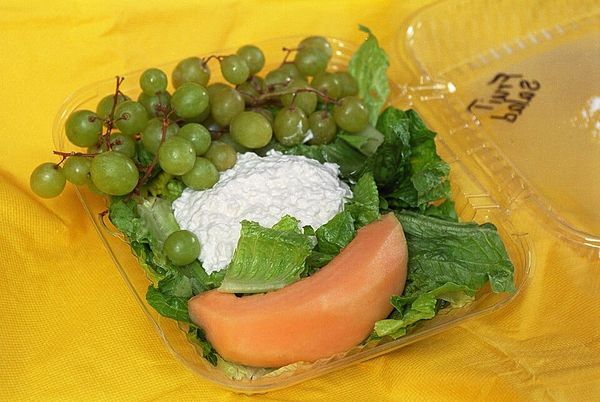
cottage cheese 8 July 2026 Cottage cheese is a very soft and mild cheese made from skimmed milk by adding an acid, such as vinegar or lemon juice, to the milk, causing the curds to separate from the whey. It is not aged. It has a high protein-to-fat ratio and
buttload / butt ugly 6 July 2026 Buttload is a slang term meaning a great quantity of something. It’s a relatively recent term; it starts to appear in the late 1980s. The -load is self-explanatory, But why butt? The butt comes from a slang use of that word as an intensifier. University
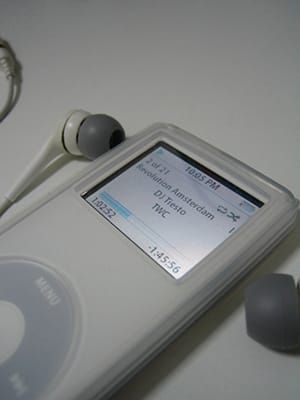
podcast 3 July 2026 A podcast is an audiovisual file—originally and most commonly audio only—or series of files that are made available for download to a portable media player. The audio format is usually MP3, and the files are distributed by an RSS feed or similar technology. It is
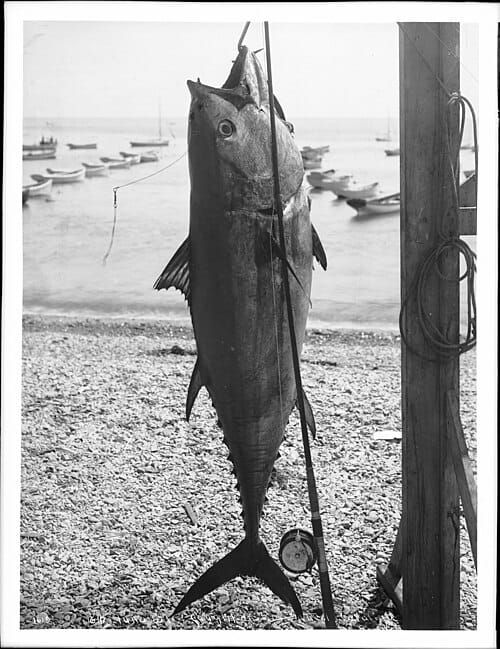
tuna / tuna fish / tunny 1 July 2026 Tuna are a variety of fishes of the family Scombridae which are widely fished both for food and for sport. They range widely in size, with the Atlantic bluefin tuna reaching weights as high as 1,500 pounds (680 kb). The name tuna is a relatively recent
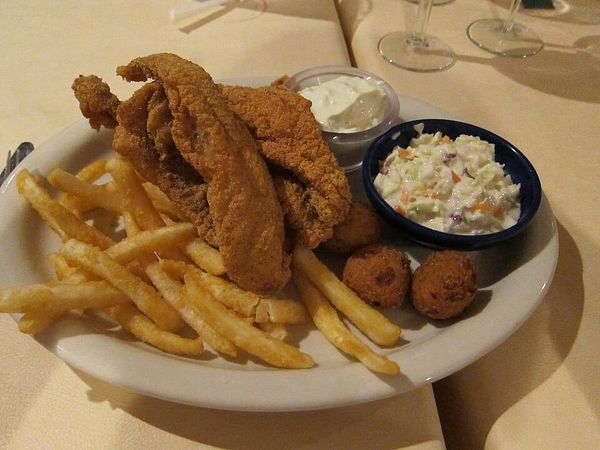
hush puppy 29 June 2026 Hush puppy has a number of meanings ranging from types of food to a brand of casual shoes, but its most common meaning is that of a small, fried ball of corn meal. The dish is a common throughout the American South and is often served alongside
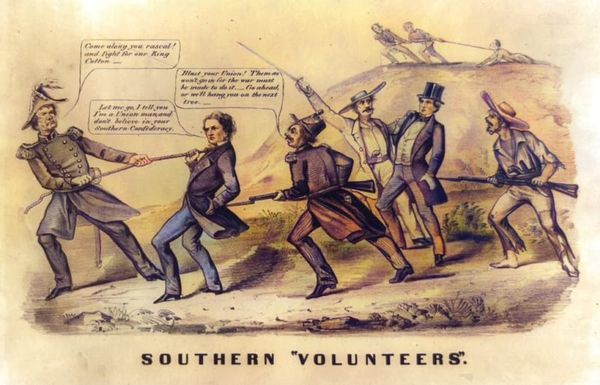
scallywag 26 June 2026 A scallywag is a disreputable person. The term is often associated with the post-Civil War South, where it was applied to white southerners who supported the Reconstruction policies of the Republican party, but the term is at least a generation older. It appears in a wide
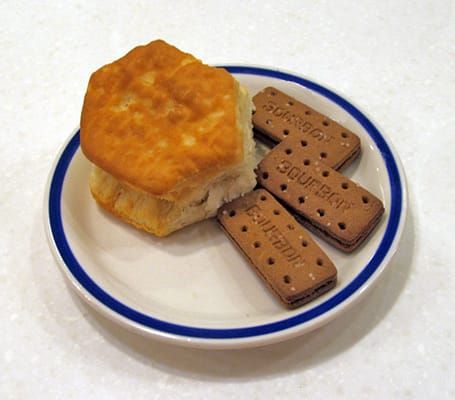
biscuit / cookie 24 June 2026 One distinction between the British and North American lexicons is the usage of biscuit and cookie. What North Americans call a cookie, the British call a biscuit. And what Americans call a biscuit has no exact counterpart in British cuisine. American biscuits are savory and resemble a
atone / atonement 22 June 2026 As the word is generally used today, to atone is to offer propitiation to an injured party, to make amends for a wrong one has committed, and atonement is the product of that verb. But the word did not always mean this, and it has an etymology
pond / pound 19 June 2026 A pond is a small body of water. The word is actually a spelling and pronunciation variant of the noun pound, meaning of a pen or enclosure. The word probably comes from an unattested Old English *pund. We also find cognates in the Anglo-Norman ponde, punde,
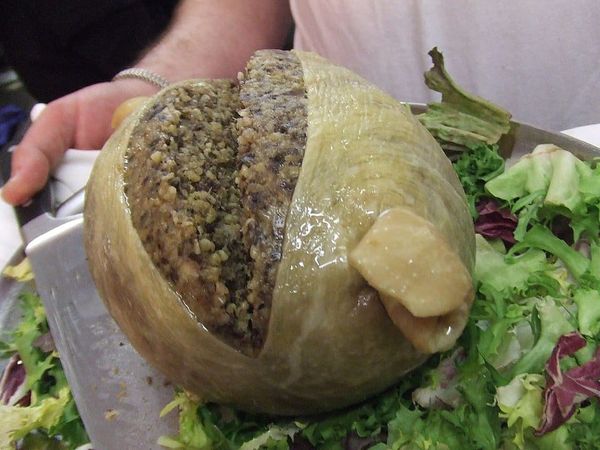
pudding 17 June 2026 Pudding is a word that means different things on either side of the Atlantic, and it is also a word that has acquired additional senses over of the centuries. Pudding dates to the late thirteenth century, and its original meaning is that of a sausage, a mix