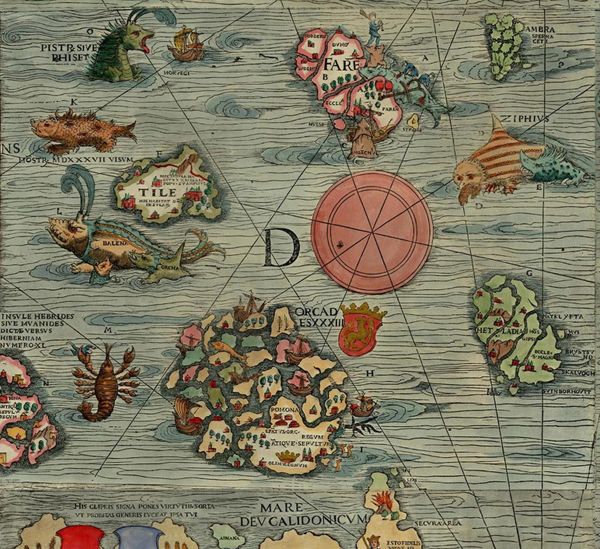
Ultima Thule / Thule The name Thule has a long history of referring to some distant place. It may be most familiar to English-speakers today as the name of place in Greenland. In 1910, Danish explorer Knud Rasmussen established a trading post with that name at the site the Inuit called Uummannaq (heart-
suborn Suborn is a verb that is usually heard in the context of lying under oath, and indeed roughly half of the instances of the verb in the Corpus of Contemporary American English are in the phrase suborn perjury. The verb clearly means to induce someone to commit a crime, but
hogmanay Hogmanay is a Scots word for New Year’s Eve or for a gift given to someone, especially a child, at the new year. It is a borrowing from the French auguilanleu, which in turn is probably a variation on l’an neuf (the new year). It is first recorded
just do it Nike’s famous Just Do It advertising campaign was launched in 1988 and went on to become one of the most famous slogans of all time. But the inspiration for the slogan is somewhat morbid, rooted in the execution of an infamous spree killer. The campaign was the brainchild of
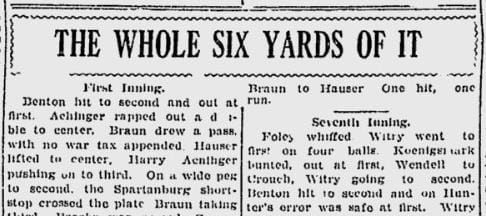
whole nine yards Few phrases have as many tales attached to their origin as does the whole nine yards, which has spawned a raft of popular etymologies, all of them wrong. The phrase doesn’t have one particular origin, nor does it represent one particular metaphor. Instead, it seems to have evolved from
unicorn We all know a unicorn is a mythical creature resembling a horse with a single horn projecting from its forehead, but the term has some quite interesting slang uses. The word comes to English via Anglo-Norman, the variety of French spoken in England after the Norman conquest, and ultimately
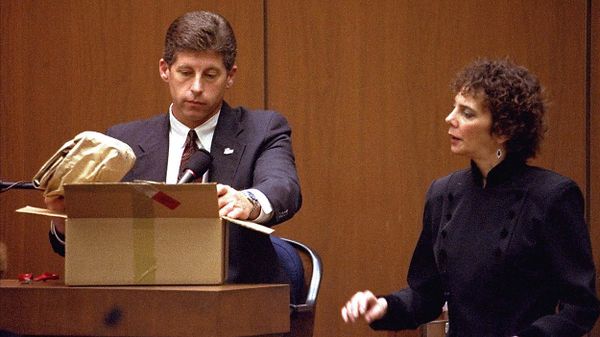
testilying That police officers often lie when giving sworn testimony has long been a truism in legal circles. Irving Younger, law professor and former Assistant US Attorney for the Southern District of New York, observed in 1967: “Every lawyer who practices in the criminal courts knows that police perjury is commonplace.
Groyper This is free issue of the monthly “Words in the News” feature. Groypers are a loose association of white-nationalist, antisemitic homophobes who follow neo-Nazi Nick Fuentes. They are known for targeting conservatives whom they deem aren’t fascist and antisemitic enough. One of their primary targets was right-
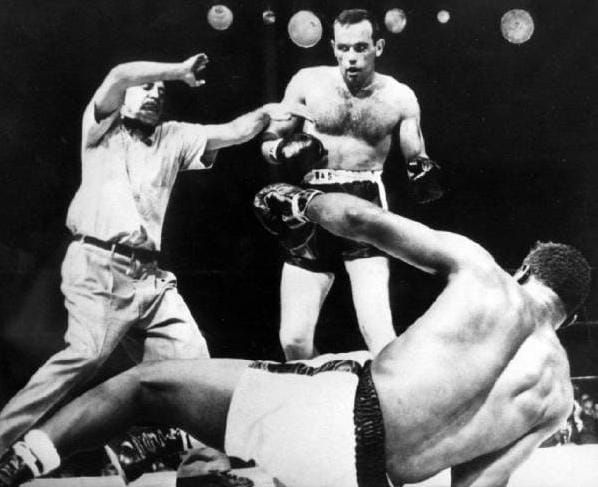
saved by the bell Saved by the bell, which the OED defines as “to be rescued from a difficult situation,” comes to us, as should be no surprise, from the world of boxing. It originally and quite literally referred to a boxer who was about to be beaten into submission only to have the
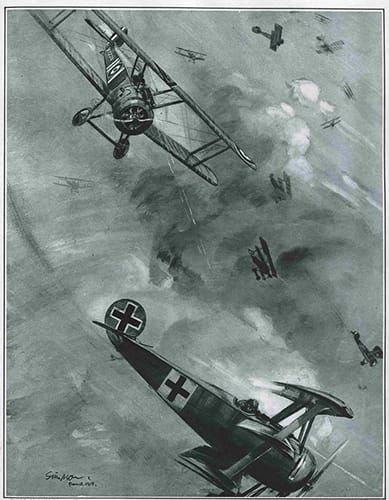
Red Baron Freiherr Manfred von Richthofen is the most famous aviator of World War I, if not of all time. Credited with eighty air-to-air victories, he shot down more planes than any other flyer in the war. And he is popularly known as the Red Baron, because as commander of
gaffe A “gaffe” is the opposite of a “lie”; it’s when a politician inadvertently tells the truth. —Michael Kinsley, 1984 A gaffe is a mistake, a blunder, especially a social faux pas or a verbal error made by a politician. The word is a borrowing from the French in the
crisis actor The term crisis actor originated in the emergency preparedness community and originally referred to professional actors available for hire to participate in disaster and mass casualty drills as victims, witnesses, criminals, etc. Hiring trained actors is thought to increase the realism and effectiveness of such drills. But after the December